


Understanding the psychology behind gambling behavior and decision-making
The Allure of Gambling
Gambling has captivated humans for centuries, with its roots deeply embedded in various cultures. The thrill of risk and reward creates a unique psychological pull that entices individuals to engage in this activity. With this in mind, many are drawn to options like online gambling real money to experience that excitement. The excitement derived from the possibility of winning can trigger a release of dopamine, a neurotransmitter associated with pleasure and reward. This biological reaction can lead to an addictive cycle, where the individual continuously seeks that exhilarating experience.

Moreover, cultural perceptions of gambling also influence behavior. In some societies, it is seen as a legitimate form of entertainment, while in others, it is stigmatized. These differing views shape how individuals approach gambling, impacting their decision-making processes. For instance, in cultures where gambling is normalized, individuals may be more likely to participate without concern for the potential risks involved.
The Role of Cognitive Biases
Cognitive biases play a significant role in gambling behavior. One common bias is the illusion of control, where gamblers believe they can influence the outcome of games, despite their inherent randomness. This belief can lead to overconfidence, encouraging individuals to place more bets than they would otherwise. This skewed perception often results in irrational decision-making, which can exacerbate losses.
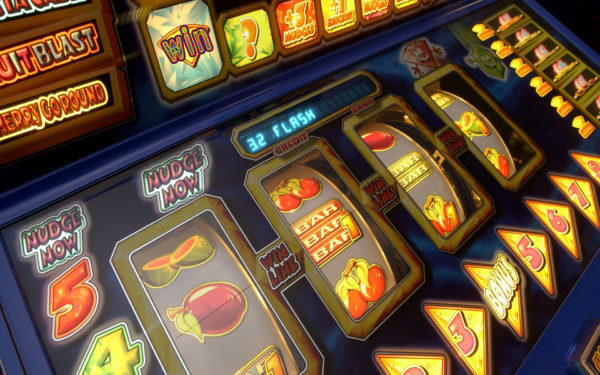
Another prevalent bias is the gambler’s fallacy, where individuals mistakenly believe that past outcomes can affect future results. For example, if a slot machine hasn’t paid out in a while, a player might assume it is “due” for a win. Such flawed reasoning can perpetuate gambling behavior and lead to escalating financial commitments, as players chase their perceived losses.
The psychology of risk and reward is central to understanding gambling decisions. People are generally drawn to high-stakes situations due to the potential for substantial gains. However, the thrill of risk is often accompanied by a lack of awareness regarding the actual probabilities of winning. This disconnect can result in compulsive behavior, where the thrill becomes more important than the financial implications.
This dynamic is often fueled by promotional tactics used by casinos and online platforms, which emphasize wins while downplaying losses. Such marketing strategies can create a false sense of security, leading individuals to underestimate the risks involved. Ultimately, the interplay between risk and reward significantly shapes gambling behavior and influences decision-making processes.
The Impact of Social Factors
Social influences play a critical role in shaping gambling behavior. Peer pressure, social acceptance, and the desire to fit in can drive individuals to gamble, even if they initially possess reservations. In many cases, people are more likely to engage in gambling activities if they observe others doing so, reinforcing the notion that gambling is a socially acceptable behavior.
Furthermore, social environments, such as gambling communities and online forums, often glorify winning experiences while minimizing discussions about losses. This environment can create a skewed perception of gambling, making individuals more likely to participate without fully understanding the potential consequences. As a result, social factors significantly contribute to both the initiation and perpetuation of gambling behaviors.
Conclusion and Overview of the Website
Understanding the psychology behind gambling behavior and decision-making is crucial in addressing the potential risks associated with this activity. By recognizing the biological, cognitive, and social factors at play, individuals can make more informed choices regarding their gambling habits. This awareness can help mitigate the risk of developing problematic gambling behaviors.
This website aims to provide valuable insights into various aspects of gambling, from its psychological underpinnings to its cultural implications. By fostering a deeper understanding of gambling behavior, we hope to equip readers with the knowledge needed to navigate this complex landscape safely and responsibly.
0 Comments