


It also addressed instances where moderate drinking or a goal of pursuing moderate drinking could be hazardous to your health and well-being. I find that by savoring the flavors and aromas of each glass, I can fully appreciate the nuances of the wine without the need for excessive consumption. It’s not about the quantity of wine I drink but rather the quality of the experience. You can usually hit that level by drinking 12 ounces of beer, 5 ounces of wine, or 1.5 ounces of hard liquor such as whiskey, vodka, rum, or gin. “We would consider under two drinks per week to be in the lowest risk category, other than no drinking at all,” he said. That doesn’t mean that binge drinking or getting blackout drunk are OK, of course.
What does the American Heart Association recommend as the daily maximum?
- Wine contains calories and sugar, which can contribute to weight gain and metabolic disorders like diabetes if consumed in large quantities.
- In the past, moderate drinking was thought to be linked with a lower risk of dying from heart disease and possibly diabetes.
- There you can take a good look at your drinking and get objective feedback.
- For example, many beers are about 5 percent alcohol, but some have higher percentages of alcohol.
In severe cases, it can also lead to alcohol use disorder, a chronic and relapsing condition that requires professional treatment. Kristen Kirkpatrick, registered dietitian at the Cleveland Clinic Department of Wellness & Preventive Medicine and president of KAK Consulting, noted that one drink per day equates to seven drinks per week. That amount of alcohol, she told Healthline, could lead to elevated risks of heart disease, brain shrinkage, and higher blood pressure. Additionally, red wine consumption can interact with certain medications, such as blood thinners, and exacerbate underlying health conditions, such as high blood pressure and diabetes. It’s essential to consult with a healthcare provider before consuming red wine, especially if you have any underlying health conditions or take medications. Another meta-analysis, also published in 2017, examined prior research alleging positive cardiovascular effects from moderate alcohol consumption.
Introduction to Wine and Health

The CDC offers guidelines and data about alcohol use and health, supporting informed decisions about drinking. About one-third of people who receive treatment for alcohol problems have no further symptoms one year later. Others successfully reduce their drinking and report fewer alcohol-related problems.
Does moderate drinking cause cancer?
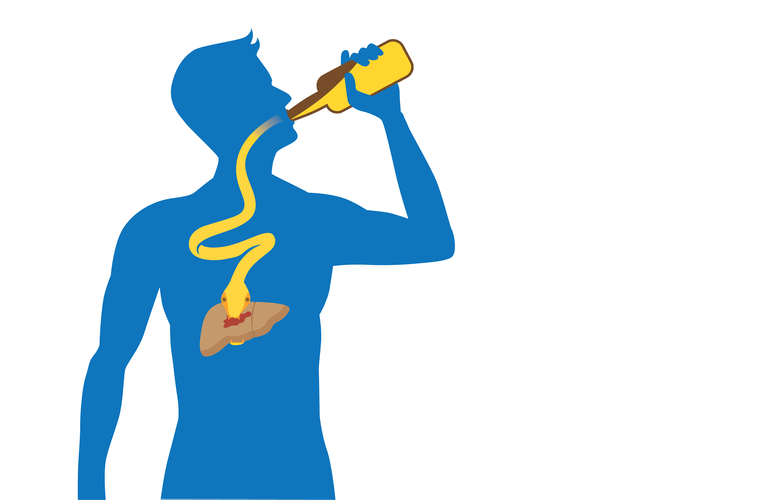
We do assume some degree of risk when drinking alcohol—regardless of the amount. “The reality is drinking less is better for your health but not drinking at all is best for your health,” says Proctor. “I think for people that are light drinkers, they probably don’t need to put a ton of brain space here,” Noelle LoConte, who co-authored the ASCO’s 2017 statement on alcohol and cancer, told me. In this video, Dr. Bobby Lazzara explains the potential benefits of alcohol for your heart and emphasizes the importance of moderation.
- Whole grapes contain the same polyphenols as wine, and they also have added fiber that can help your digestive system.
- That being said, it’s also important to consider the potential risks of daily drinking, even at moderate levels.
- Long-term effects of heavy wine consumption include an increased risk of developing liver disease, high blood pressure, heart problems, and certain types of cancer.
- Moderation is a term often used but rarely quantified in the context of wine consumption.
- If you choose to drink, stay within daily limits and skip binge patterns.
- It’s easy to pour a generous glass that exceeds this amount, but keeping within these guidelines helps ensure a healthy relationship with wine.
It can also be a sign of short-term memory issues and experiences of grief or loss, she says, which are better managed with proper treatment and support. It’s true that wine contains polyphenols (a group of plant compounds that have antioxidant and anti-inflammatory properties) that can contribute to important functions in the body. “Resveratrol, specifically found in the skin of red grapes, has been researched for its possible role in reducing LDL cholesterol and preventing blood clotting,” Routhenstein says. Below that threshold, based on these scientific standards, you might consider yourself to be a so-called moderate drinker. During pregnancy, it increases the risk of pregnancy loss and of a child having growth and developmental problems in future.

I learned in my reporting that only 40 percent of people know alcohol is a carcinogen, which shows there’s still a lot of work to do in educating people about the health risks. Dietary Guidelines for Americans continued to recommend that men consume no more than two drinks per day and women no more than one. However, those guidelines also emphasize that people who don’t currently drink shouldn’t start. The initial contact points — mouth, throat, esophagus and stomach — are most vulnerable, which is why these areas show some of the strongest links to alcohol-related cancers. For those who do not drink, there’s no strong evidence that anyone should initiate alcohol consumption.
- Most importantly, you must first decide whether you want to stop having alcohol-related problems.
- To find the best treatment for alcohol addiction, speak with an addiction specialist today.
- This first post covered definitions of moderate drinking based on solid empirical research over the years.
- “Those same pathways could very nicely be impacted by healthy sleep and exercise,” Tawakol explains.
Certain health problems — like depression or anxiety, sleep problems, and chronic pain — can put you at a higher risk for alcohol use disorder. People who have alcohol use disorder are also more likely to experience these health problems. If drinking causes problems in your life, you may have alcohol use disorder (sometimes called alcoholism). Drinking alcohol might put you at risk for personal and health problems. You and your community can take steps to improve everyone’s health and quality of life. Ultimately, people who are addicted to alcohol decide to quit drinking, because they realize it’s easier to not drink, than it is to control their drinking.
Expert opinions on safety and levels of alcohol consumption have generally varied over the https://roads2travel.de/overdoses-untimely-celebrity-deaths-involving/ years, with some studies even citing the potential benefits of an occasional cocktail or glass of wine. Moderate alcohol consumption means an average of one to two drinks per day for men and one drink per day for women, although different types of beer, wine, and liquor have varying amounts of alcohol. These limitations make it hard to know how much to rely on studies that find health risks (or benefits) to alcohol consumption. Drinking wine while taking medications or having certain medical conditions can be problematic. Certain medications, such as blood thinners and certain antidepressants, can interact with wine and increase the risk of adverse effects.
“If you do choose to enjoy wine, the key is keeping it truly moderate and making sure it fits into an overall healthy lifestyle,” he says. You can lower your health risks from alcohol by drinking less or not drinking at all. If there are days when you drink more than a moderate amount, make note of the circumstances and identify your triggers. But if you’re not happy, or if you can’t stick to moderate drinking, then that should tell you something. Keep an honest journal of how much you drink every day for 6 months, and see if you can stick can an alcoholic drink in moderation to moderate drinking. It’s important that you do this for at least 6 months, because it’s easy to control your drinking for a short period of time.
The Centers for Disease Control and Prevention (CDC) recommends that males have no more than two drinks per day and females have no more than one drink per day. Now, experts say, the field recognizes that no amount of alcohol is truly safe. And any supposed benefits of light or moderate drinking don’t outweigh the risks for the vast majority of us.
Glasses of Wine: How Much Is Too Much?
It’s important to note that a “drink” of wine is typically defined as 5 Sobriety ounces (about 148 mL), which is a standard serving size. It’s easy to pour a generous glass that exceeds this amount, but keeping within these guidelines helps ensure a healthy relationship with wine. Enjoying a glass of wine can sometimes lead to getting carried away and overindulging. As a fellow wine lover, I frequently wonder about the appropriate amount of wine to drink. Is there a point where we should stop in order to fully appreciate this wonderful drink without going overboard? Let’s delve into this matter and uncover the intricacies of wine consumption together.
0 Comments